
Technology makes the world seem a lot smaller.
Keeping up with friends and family on the other side of the country or across the globe no longer requires an expensive telephone call or slow, one-way snail mail.
Instead, thanks to the power of social media, we can bridge distances in the blink of an eye. In just seconds, you can share updates about your life or check in with anyone with internet access.
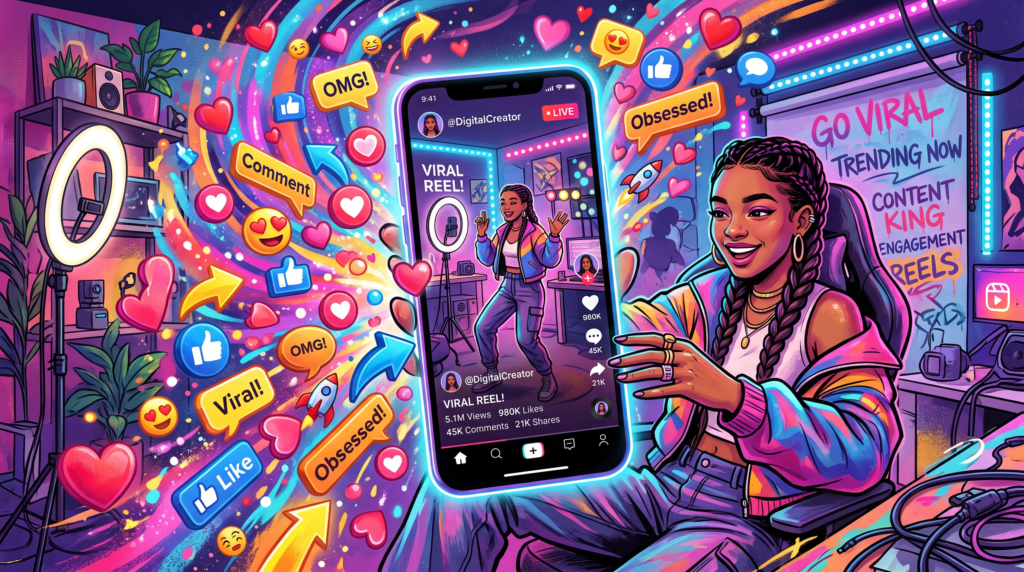
Social media has changed how we communicate and how we consume information and entertainment. These platforms unlock a treasure trove of opportunities for savvy marketers, transforming how brands engage with their audience and share their stories on a global stage.
Why Is Social Media Marketing Important for Brands?
Social media platforms like Instagram, TikTok, X (Twitter), YouTube, and Facebook present businesses with an unmatched opportunity to connect with a massive global audience.
They are not just digital spaces for socializing; they are vibrant marketplaces. Over 5.7 billion people actively use social media worldwide, representing an ever-expanding audience for brands and a whole lot of potential customers.
Social media provides the opportunity for marketers to humanize their brand through compelling storytelling that showcases their real identity and values. With social media marketing, brands can weave their narratives, engage vast audiences without massive budgets, and raise awareness and consideration for their products.
It is also an essential tool for building authentic relationships with your target consumer. You can conduct real-time customer service, gather candid feedback, and build brand trust over time by actively engaging with your community across platforms.
Key stats to consider:
-
68% of consumers follow brands on social media specifically to stay updated about products and services.
-
The average time spent on social media daily is 2 hours and 24 minutes.
-
The landscape is rapidly shifting toward engaging formats like short-form video, user-generated challenges, and interactive storytelling.
From viral organic posts to creative interactive campaigns, here are 10 awesome examples of social media marketing that broke the internet and delivered massive business results.
1. Duolingo (TikTok): Leaning Into Unhinged Humor
Instead of posting dry vocabulary quizzes and grammar tips, language app Duolingo turned its bright green owl mascot, Duo, into a chaotic, trend-obsessed character on TikTok. Duo playfully chases singer Dua Lipa, stages fake office drama with colleagues, and guilt-trips followers who skip their daily lessons.
-
The Strategy: Treat the brand mascot like an entertainer and content creator rather than a corporate mouthpiece.
-
Key Metrics & ROI:
-
Expanded from under 100,000 followers to over 17 million TikTok followers organically.
-
Viral videos routinely achieve 50M to 110M views, sustaining an account engagement rate of 10% to 15% (far outpacing the 1.5% industry standard).
-
Boosted organic app store rankings, helping Duolingo secure the #1 spot among educational apps worldwide.
-
-
The Takeaway: Self-aware humor and platform-native trends beat polished corporate messaging every time.
2. Spotify Wrapped (Multi-Platform): Turning Data Into Bragging Rights
Every December, Spotify gives users a colorful, personalized summary of their yearly listening habits. Instead of locking that data behind a boring spreadsheet, Spotify designs it into beautiful, share-ready graphics for Instagram Stories, X, and TikTok.
-
The Strategy: Transform raw user data into social currency that lets people express their personal taste and identity.
-
Key Metrics & ROI:
-
Sparks more than 630 million social media shares each year during launch week.
-
Engages over 300 million active listeners who interact directly with their custom story cards.
-
Drives an estimated ~21% spike in app store downloads during the first week of December, fueling zero-cost user acquisition.
-
-
The Takeaway: When your campaign helps your audience express who they are, they will happily distribute your marketing for you.
3. Apple’s #ShotOniPhone (Instagram): The Power of Simple UGC
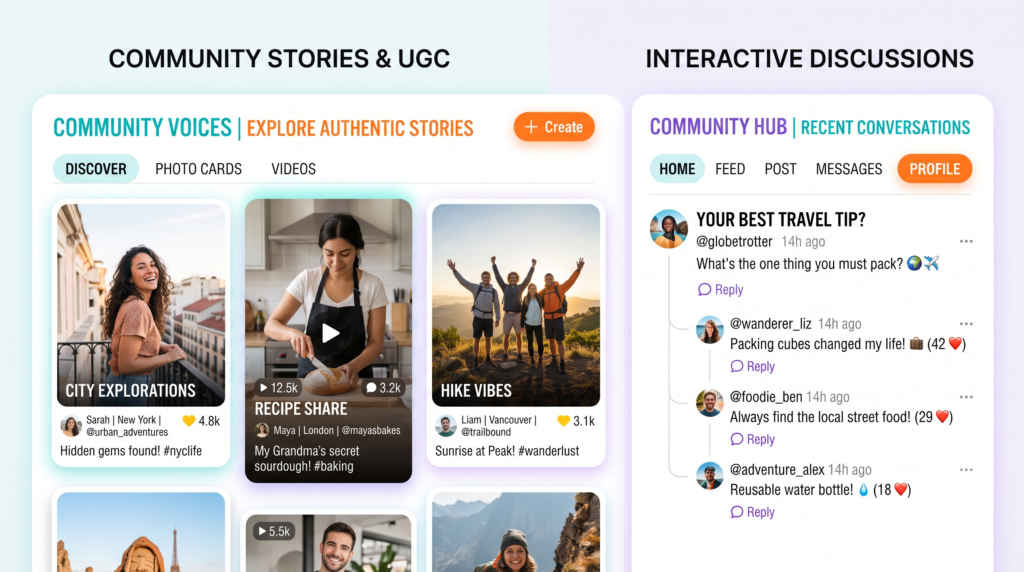
Rather than solely relying on high-budget studio equipment to advertise its cameras, Apple launched the #ShotOniPhone hashtag campaign. They invite everyday users, amateur creators, and professional photographers alike to share raw photos captured directly on their phones.
-
The Strategy: Let real customer creations serve as the ultimate social proof of product quality.
-
Key Metrics & ROI:
-
Amassed over 29 million user-generated posts tagged with
#ShotOniPhoneon Instagram alone. -
Generated an estimated 6.5 billion earned impressions across social platforms, digital out-of-home billboards, and global press.
-
Established a 97% positive consumer sentiment regarding iPhone photography performance.
-
-
The Takeaway: Authentic User-Generated Content (UGC) builds far more consumer trust and credibility than traditional staged commercials.
4. CeraVe’s “Michael CeraVe” (TikTok, YouTube & X): Playing Along With Internet Memes
When online skincare enthusiasts started joking that quirky actor Michael Cera was the mastermind behind CeraVe, the brand did not issue a stiff corporate correction. Instead, they orchestrated staged paparazzi sightings, partnered with beauty creators to fuel the conspiracy, and concluded the stunt with a legendary Super Bowl reveal.
-
The Strategy: Co-create a long-form viral joke alongside your online community.
-
Key Metrics & ROI:
-
Generated 32 billion earned impressions and over 2,000 international media placements.
-
Creator collaborations alone generated 15.4 billion impressions before the commercial even aired.
-
Delivered a +25% increase in product sales, ranking as the top-performing commercial of the Super Bowl.
-
-
The Takeaway: Listening to community chatter and embracing self-effacing humor can spark culture-defining marketing moments.
5. Wendy’s (X / Twitter): Building a Distinctive Voice
Wendy’s fundamentally changed the rules of brand social media by swapping dry press releases for razor-sharp wit. By roasting fast-food rivals, bantering with followers, and turning “National Roast Day” into an annual event, they built one of the most recognizable brand personas online.
-
The Strategy: Drop safe corporate tone in favor of a bold, unapologetic, and memorable personality.
-
Key Metrics & ROI:
-
“National Roast Day” generates over 50 million organic impressions in under 48 hours.
-
Consistently achieves 2.5x to 3x higher engagement rates compared to direct industry competitors.
-
Drove continuous multi-quarter increases in foot traffic and brand recall among Gen Z and millennial diners.
-
-
The Takeaway: Having a distinct, entertaining point of view cuts straight through the noise of crowded markets.
6. Red Bull (YouTube): Selling the Thrill, Not Just the Product
Visit Red Bull’s YouTube channel and you will rarely see a hard sell for an energy drink. Instead, their feed is packed with extreme sports, high-altitude skydiving, Formula 1 racing, and cliff jumping.
-
The Strategy: Sell the extreme adrenaline lifestyle and emotions connected to the brand rather than the physical beverage.
-
Key Metrics & ROI:
-
Built an audience of over 18 million YouTube subscribers with more than 12 billion lifetime video views.
-
The Red Bull Stratos jump achieved 8 million concurrent live viewers, setting a milestone for live streaming on YouTube.
-
Elevated the brand to sell more than 12 billion cans globally per year while commanding premium shelf pricing.
-
-
The Takeaway: When your content delivers pure entertainment value, your channel becomes a destination people actively seek out.
7. Barbie Movie (Instagram & AI Tooling): The Interactive Selfie Generator
Ahead of the release of the Barbie movie, Warner Bros. rolled out an AI-powered selfie generator that allowed fans, influencers, and celebrities to drop their own portraits into the movie’s signature poster template.
-
The Strategy: Give fans intuitive, accessible creative tools that place them at the center of the campaign.
-
Key Metrics & ROI:
-
Over 13 million custom movie posters generated within the first few weeks of release.
-
Generated billions of unpaid social impressions across Instagram, TikTok, and X as users made the posters their profile pictures.
-
Contributed directly to a record-setting $1.44 billion global box office run.
-
-
The Takeaway: Lowering the barrier for audience participation turns a promotional campaign into a global pop-culture phenomenon.
8. LEGO (YouTube): Building Multi-Generational Communities
LEGO’s YouTube strategy spans diverse segments from playful stop-motion stories for younger kids to behind-the-scenes set walk-throughs for Adult Fans of LEGO (AFOL). They highlight community creations and celebrate builder ingenuity across all age brackets.
-
The Strategy: Segment video programming to serve deeply passionate sub-communities within your broader customer base.
-
Key Metrics & ROI:
-
Surpassed 17 million subscribers and over 20 billion total views across their official channels.
-
Achieves high community retention, with long-form builder videos averaging over 70% watch-time completion.
-
Bolstered adult hobbyist sales, making the AFOL community one of the company’s highest-margin consumer segments.
-
-
The Takeaway: Long-form content flourishes when you celebrate your audience’s craftsmanship and provide genuine value.
9. Dove’s #DetoxYourFeed (TikTok & Instagram): Mission-Driven Impact
Through campaigns like #DetoxYourFeed, Dove used social media to confront toxic digital beauty advice and deceptive photo filters. By encouraging teenagers and parents to unfollow accounts causing body anxiety, Dove cemented its role as an advocate for positive mental wellness.
-
The Strategy: Tackle real-world societal problems that align with your core brand philosophy.
-
Key Metrics & ROI:
-
Garnered over 500 million views across TikTok and Instagram discussions.
-
70%+ of surveyed participants reported having actionable family conversations around healthy social media habits after engaging with the campaign.
-
Strengthened long-term brand equity and customer loyalty metrics across international personal care markets.
-
-
The Takeaway: Purpose-driven campaigns build enduring brand loyalty when supported by consistent, authentic action.
10. Chipotle (TikTok): Mastering Challenges and Menu Hacks
Chipotle was among the earliest fast-casual brands to embrace TikTok by spotlighting viral menu hacks, kitchen prep footage, and engaging hashtag challenges like the #GuacDance.
-
The Strategy: Lean directly into how customers organically interact with your products in real life.
-
Key Metrics & ROI:
- The
#GuacDancechallenge generated 430 million views in just six days and has surpassed 1.1 billion total views. -
Garnered over 250,000 fan-created dance video submissions.
-
Set Chipotle’s record for guacamole sales in a single day, serving over 800,000 sides on National Avocado Day.
- The
-
The Takeaway: Meet your target audience where they naturally spend time, and craft challenges around habits they already love.
Final Thoughts ( Examples of Social Media Marketing )
While these 10 campaigns span different industries and formats, they all share three foundational principles:
-
They speak human-to-human: Ditching rigid jargon to connect with real emotions and humor.
-
They respect platform culture: Tailoring content specifically for TikTok, YouTube, or Instagram rather than cross-posting identical ads.
-
They empower their audience: Giving consumers the spotlight through user-generated content, interactive tools, and shared cultural inside jokes.
Whether you are managing an international household name or scaling a growing startup, applying these lessons will help you build a vibrant, loyal community across your social channels.




Leave a response